
Penetration Grade Bitumen
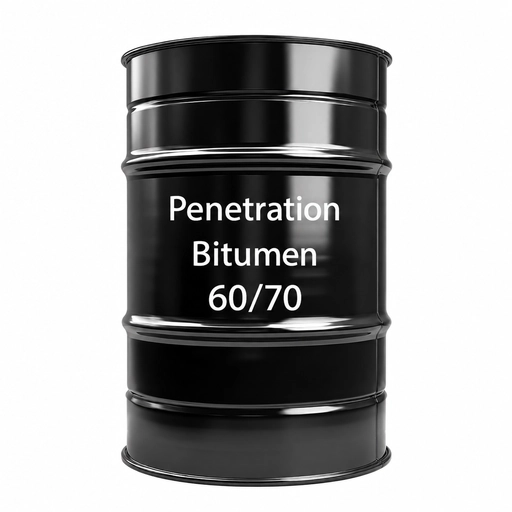
Penetration Bitumen 60/70
A widely specified paving-grade bitumen with a balanced consistency for hot-mix asphalt, base and wearing courses, and general road construction.
View Details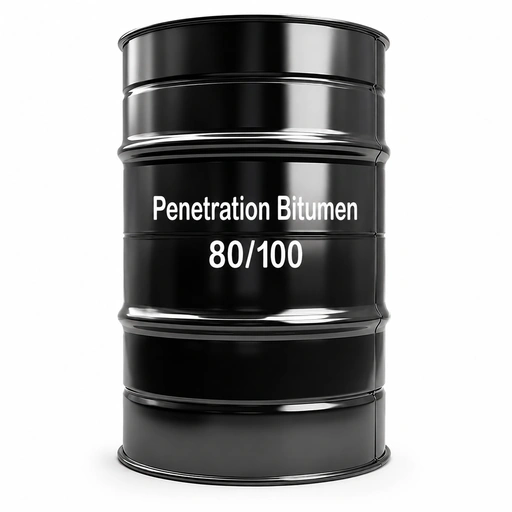
A comparatively soft penetration-grade paving bitumen used where greater flexibility and lower binder stiffness are required by the pavement specification.
Penetration Bitumen 80/100 is a widely traded commercial paving grade defined by a needle penetration range of 80–100 dmm at 25°C. It is softer than 60/70 and 40/50, which can provide improved flexibility and workability in pavement systems designed for a softer binder.
Standards note: the current ASTM D946/D946M penetration-grade list includes 85–100 rather than an exact 80–100 grade. For this reason, this product page treats 80/100 as a commercial contract grade and uses recognized ASTM test methods for the individual properties. The buyer’s specification and batch COA must define the final acceptance limits.
URMEX penetration-grade range: 40/50, 60/70 and 80/100. 80/100 is the softest grade in this current range.
| Property | Test Method | Unit | Requirement | Note |
|---|---|---|---|---|
| Penetration at 25°C, 100 g, 5 s | ASTM D5 | dmm | 80–100 | Commercial grade-defining range |
| Softening Point (Ring & Ball) | ASTM D36 | °C | 42–51 | SANS 307-type 80/100 range |
| Rotational Viscosity at 60°C | ASTM D4402 | Pa·s | 75–150 | SANS 307-type 80/100 range |
| Rotational Viscosity at 135°C | ASTM D4402 | Pa·s | 0.15–0.40 | SANS 307-type 80/100 range |
| Spot Test, xylene | AASHTO T102 | % xylene | Max. 30 | Where required by the buyer specification |
| Mass Change after RTFOT | ASTM D2872 | % mass | Max. 0.5 | Aged-binder requirement |
| Viscosity at 60°C after RTFOT | ASTM D4402 | % of original | Max. 300 | Aged-binder requirement |
| Softening Point after RTFOT | ASTM D36 | °C | Min. 44 | Aged-binder requirement |
| Increase in Softening Point after RTFOT | ASTM D36 | °C | Max. 9 | Aged-binder requirement |
| Retained Penetration after RTFOT | ASTM D5 | % of original | Min. 50 | Aged-binder requirement |
Specification limits are editable and should be aligned with the buyer’s purchase specification and the shipment Certificate of Analysis.
Because 80/100 is not an exact grade in the current ASTM D946/D946M list, this page does not label 80/100 as ASTM D946-compliant. The table uses a coherent 80/100 penetration-grade framework published for SANS 307-type practice, with ASTM methods for penetration, softening point, rotational viscosity and RTFOT aging. The sales contract must identify the buyer’s governing national or project specification.
Typical export formats include heated bulk, steel drums and jumbo bags. Final packing, net weight and loading configuration should be confirmed before production.
Use appropriate hot-bitumen storage and transfer equipment. Keep water away from hot product, control heating carefully and use suitable thermal PPE.
It means the commercial grade is specified to have a needle penetration of 80–100 dmm at 25°C under the stated penetration test conditions.
Current ASTM D946/D946M lists 85–100, not an exact 80–100 grade. Buyers should therefore state the national or project specification that governs an 80/100 order.
Yes. Its higher penetration range indicates a softer binder at the penetration test temperature.
Send your required grade, quantity, packing, destination and specification. The sales team can prepare a project-specific quotation.
A widely specified paving-grade bitumen with a balanced consistency for hot-mix asphalt, base and wearing courses, and general road construction.
View Details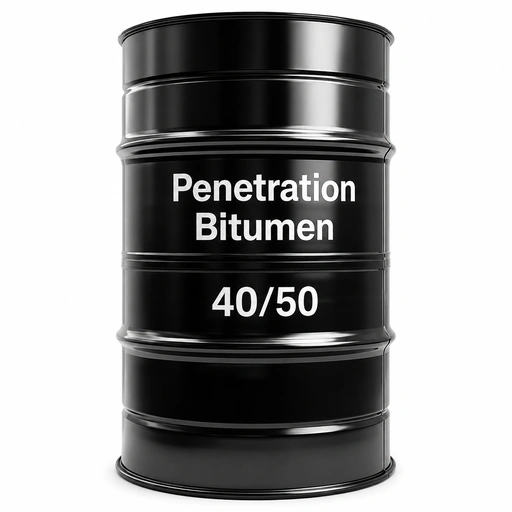
A harder penetration-grade paving binder for asphalt systems that require greater stiffness and resistance to deformation at elevated pavement temperatures.
View Details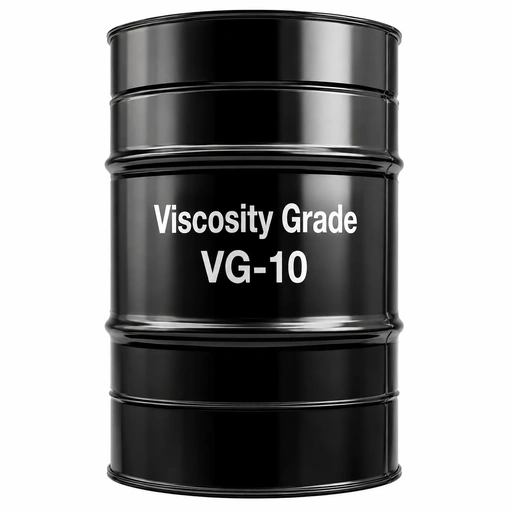
A lower-viscosity paving bitumen graded by viscosity at 60°C and 135°C, suitable for applications that require easier pumping, spraying and…
View Details
A higher-viscosity paving binder designed for demanding hot-mix asphalt and road applications where VG-30 is specified by the project authority.
View Details